All Categories
Featured
Table of Contents
For instance: may focus on patient access and remote tracking. might emphasize digital onboarding, scams prevention, and compliance. might focus on omnichannel experiences, supply chain automation, and customization. A digital improvement technique isn't a list it's a dynamic technique that connects where your business is today with where it requires to go.
Digital improvement methods are progressively formed by the larger shifts occurring around us. Much of today's initiatives can be traced back to the COVID-19 pandemic, which essentially altered how individuals work, go shopping, and connect. What started as a workaround throughout lockdowns is now deeply deep-rooted. There's still high demand for remote work, digital collaboration, and seamless online experiences, whether it's virtual health care, digital banking, or on-demand services.
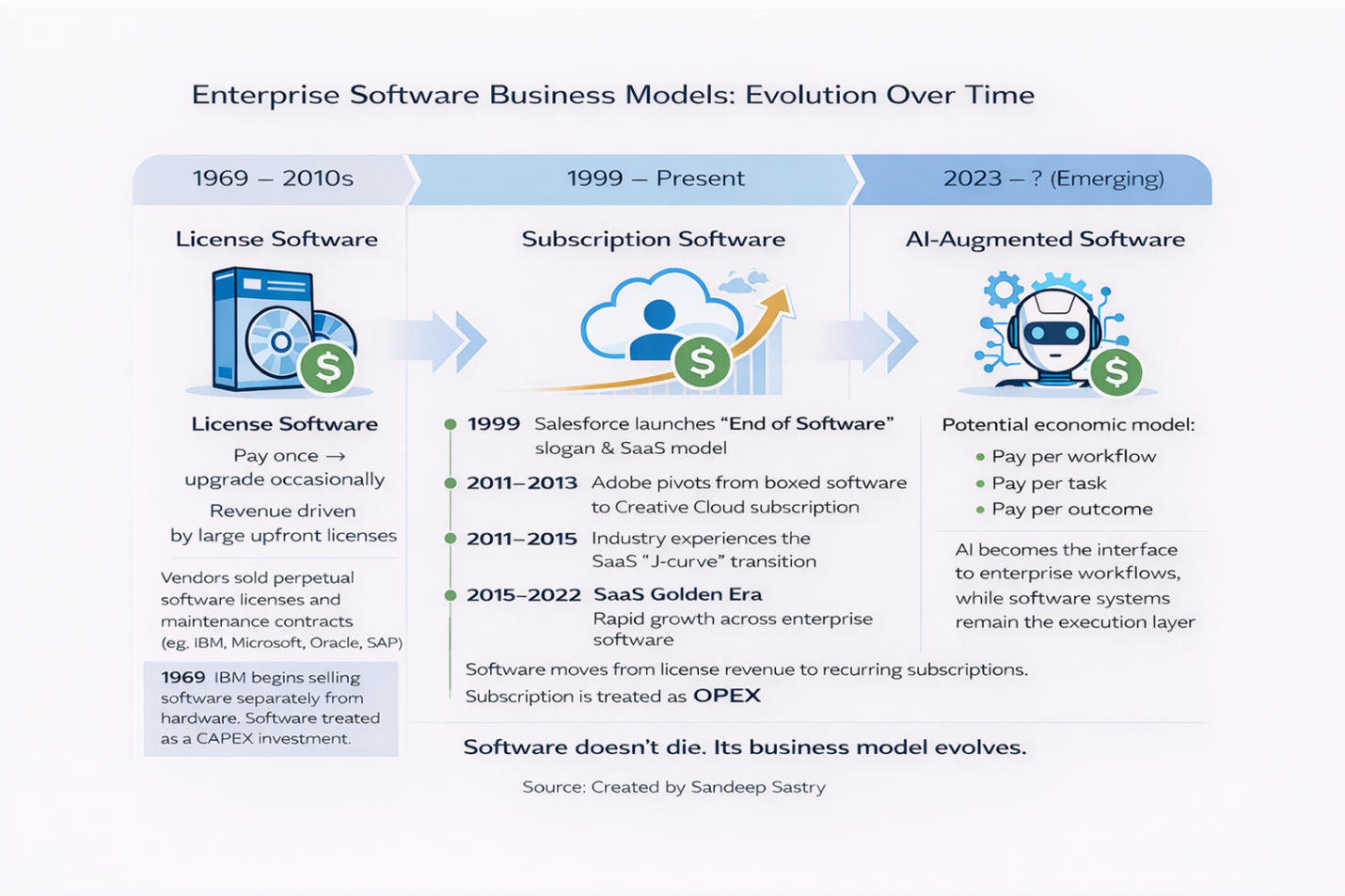
Services have actually had to reconsider their operations and offerings to fulfill this brand-new truth: strategies must show that shift.
The most efficient change methods now treat AI and post-pandemic habits not as short-term patterns, however as long-term motorists of innovation. Start by focusing on business effect, not technology for innovation's sake.
Evolving Your IT Infrastructure for the 2026 Shift
Digital change occurs across every industry, from retail and logistics to healthcare and federal government. When an eCommerce shop, Amazon has actually become a tech giant spanning retail, cloud computing, streaming, and smart home innovation.

Launched in 2005, Amazon Prime reset customer expectations for online shopping, making quick, trustworthy, affordable shipment the new standard. These robots manage jobs like locating, recovering, and transporting inventory, increasing performance and enabling over 700,000 workers to move into higher-value roles.
Uses robotic arms, cameras, and sensors to efficiently pack shipment automobiles. An AI-powered system that optimizes shipment paths and powers real-time customer tracking. Digital transformation isn't limited to private companies. The UK's National Health Service (NHS) has actually made significant strides in updating client care. Historically, scheduling a GP appointment included calling during a quick early morning window a procedure that was notoriously outdated and frustrated numerous clients.
Video consultations became basic, reducing the requirement for in-person gos to while improving benefit for patients. A number of healthcare facilities released "virtual wards," where patients with chronic or less severe conditions could be from another location kept track of by means of wearable devices that track essential indications. This permitted them to stay at home releasing up health center beds for more urgent cases and assisting personnel focus resources more successfully.
Next-Gen Cloud Platforms for Rapid Innovation
Client and worker expectations shift. Whether you're simplifying operations, improving customer experiences, or modernizing your facilities, the goal stays the very same: to adapt, improve, and remain relevant.
Techniques differ by goal however usually include improving functional effectiveness, improving customer experience, allowing the workforce, and enhancing cybersecurity. Common risks consist of uncertain goals, absence of executive assistance, worker resistance, combination problems, and underestimating the required financial investment. Industries like health care, finance, retail, and logistics have been specifically transformed, using digital tools to update services, increase agility, and meet developing consumer needs.
Digital transformation is no longer optionalit has actually ended up being a need for services intending to stay competitive in 2026. Organizations throughout markets are investing in modern innovations to improve effectiveness, improve consumer experience, and drive innovation. Among the essential motorists of digital change is the requirement for agility. Businesses must rapidly adapt to changing market needs, and digital tools enable them to do so efficiently.

Another significant aspect is consumer expectations. Today's clients demand seamless, tailored, and fast experiences. Business that stop working to meet these expectations risk losing market share. Digital change helps businesses provide improved customer journeys through advanced analytics, mobile applications, and incorporated platforms. Expense performance is also a significant advantage. By automating repeated jobs and enhancing workflows, organizations can decrease operational expenses and enhance efficiency.
At ShiftCode Analytics Inc., we help businesses navigate their digital change journey by providing scalable IT options, cloud services, and expert consulting. Our technique guarantees that organizations not just embrace new technologies however likewise maximize their value. In summary, digital transformation empowers companies to innovate, grow, and stay ahead in a competitive environment.

Latest Posts
Unlocking Potential Through Transformative Enterprise Modernization
Top Benefits for Implementing Scalable AI Tech
Charting the 2026 AI and Digital Roadmap